Although the jacket looks deliciously well worn it has yet to be worn once. It was just finished being sewed a few hours ago. The cotton is from some antique bed sheets from France. I cut the stencil and dyed it last August but just got around to sewing it up the past few days.
The sheets were cut up into 40 centimetre wide strips and sewn together. Measuring out the positions of the sleeve stripes and white borders along the bottom were a bit of guesswork as I hadn't sewn one before. The red comes from this pigment box.

I am hoping it is not real cinnabar. (Poisonous mercury mining by-product.) It is probably a simple chemical vermillion. I mixed it with crushed fresh soybeans and water increasing the concentration of soy milk and pigment with each coat. Red from madder root would look better. (Like the dye used on the rug.)
The stencil was only going to be used twice so it wasn't worth lacquering a net on. It was placed under a lacquered screen I threw together just for that purpose and the rice paste scraped across the surface.

Chimney soot mixed with soy milk was painted on to Japanese character for the 'manly' black lettering and a more diluted solution on the length of the cloth several times to get a medium grey. (Ok... I was having a bad day creatively not coming up with a better character than that. ) Cloth dyed this colour and then dipped in indigo has a more magical quality than a straight indigo dips. The dips were up to ten minutes long. The soot was probably painted on to save on indigo.


This is the second of ten jackets I want to hand sew in the next few months so I can teach the sewing construction myself. These jackets are wearable and easier to sew than kimono. Hand stitching a jacket is simply wonderful. Taking the time to know the garment so intimately. I hope to offer some courses in making these jackets in 2016 here at the farmhouse. From designing the patterns and cutting the stencils, making the rice paste and actually sewing the jackets by hand. Stitch by stitch.
Taking notes to eventually put together a manual on making these things.


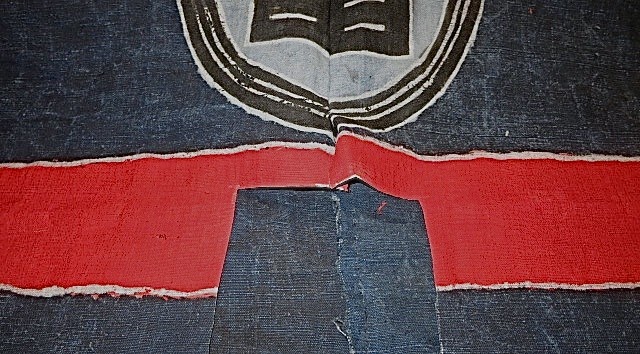
The idea for the red shoulders comes from Edo period fire fighters jackets not 70's Canadian ice hockey uniforms.